Aftercare Support Rehab Programs

Showing 20 of 51 Results (filtered)
Featured Rehab Centers
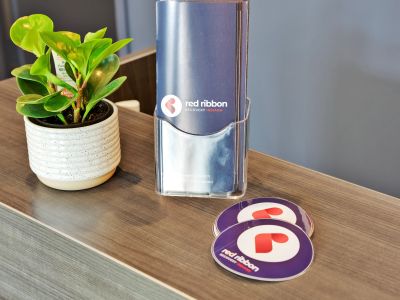
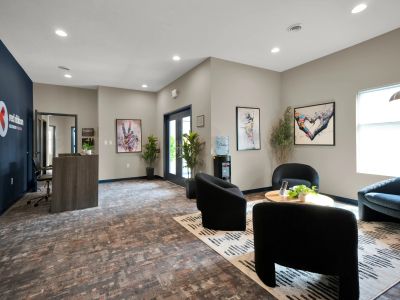
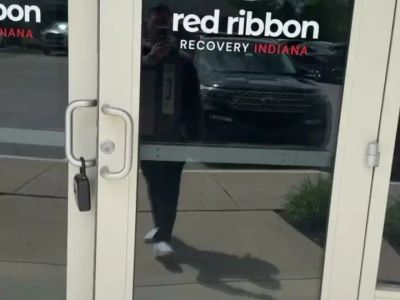
1411 W County Line Rd, Suite 1411A, Greenwood, IN 46142
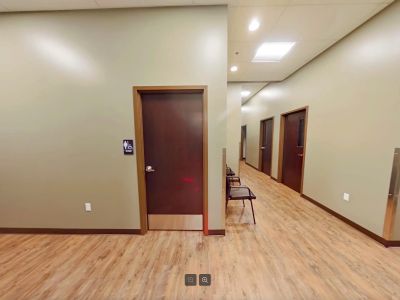
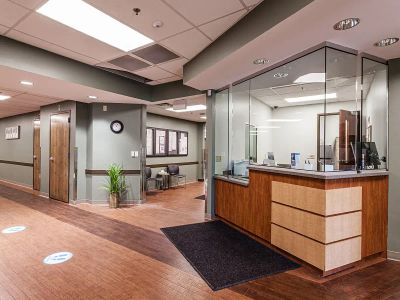
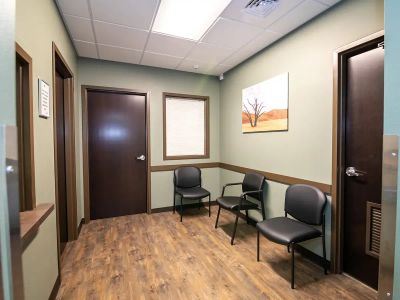
Comprehensive Treatment Centers - Evansville
Evansville, Indiana
1510 West Franklin Street, Evansville, IN 47710
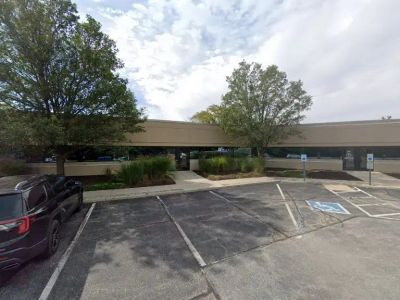
Addiction Rehab Centers - ARC At Bayside | Indianapolis Drug & Alcohol Rehab
Indianapolis, Indiana
5929 Lakeside Blvd, Indianapolis, IN 46278
Get Personalized Rehab Matches in 60 Seconds
Tell us a few details and we’ll show a personalized shortlist of verified Indiana rehabs, making it simple to compare options and choose your next step with confidence.

ADTR Center - Addiction Treatment
Gary, Indiana
1601-35 W 25th Ave, Gary, IN 46404

Crossroads Healing Center - Addiction & Mental Health Treatment in Indiana
Connersville, Indiana
450 Erie Ave, Connersville, IN 47331

Hamilton Center Inc: Mathew Maleakal S MD
Terre Haute, Indiana
620 8th Ave, Terre Haute, IN 47804
Indiana Center For Recovery - Alcohol & Drug Rehab Center Carmel
Carmel, Indiana
14555 Hazel Dell Pkwy #140, Carmel, IN 46033
Indiana Center For Recovery- Alcohol & Drug Rehab Terre Haute
Terre Haute, Indiana
135 E Hospital Ln, Terre Haute, IN 47802
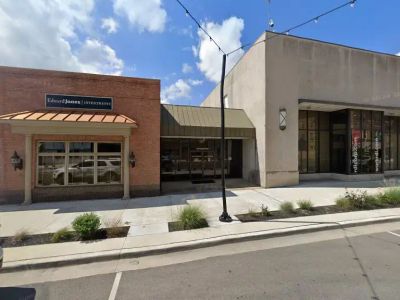
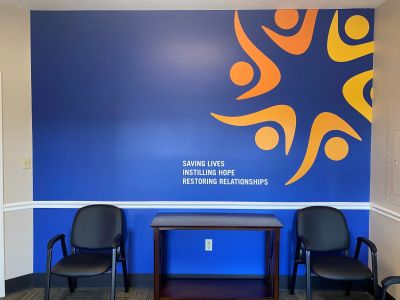
Spero Health
Richmond, Indiana
18 SW 5th St, Richmond, IN 47374
Spero Health - Connersville
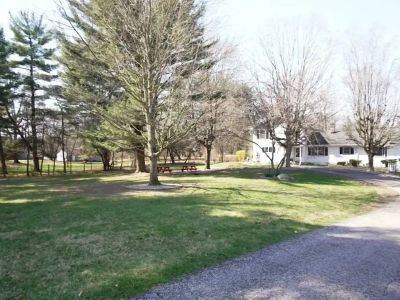
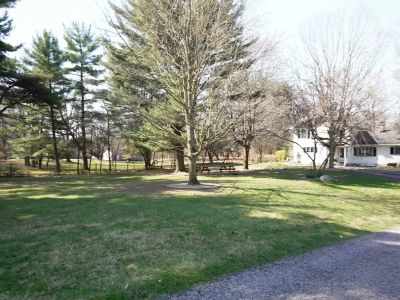
Connersville, Indiana
531 North Central Avenue Suite 6, Connersville, IN 47331

Addiction Rehab Centers - ARC | Drug & Alcohol Rehab - Addiction Treatment in Indianapolis, IN
Indianapolis, Indiana
7322 Noel Rd, Indianapolis, IN 46278
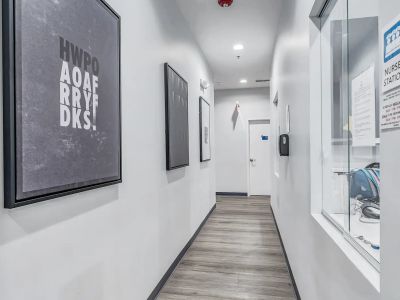
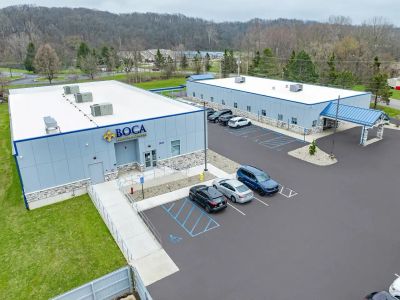
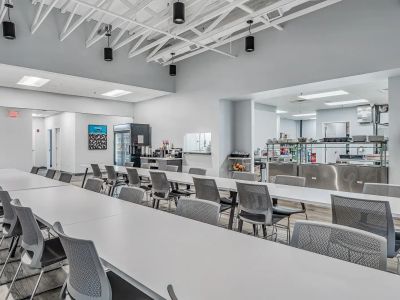
Boca Recovery Center - Fort Wayne, Indiana
Fort Wayne, Indiana
111 W Berry St #211, Fort Wayne, IN 46802

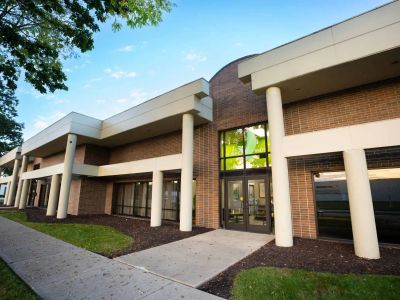
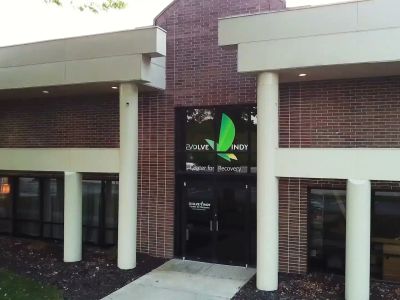
Evolve Indy
Indianapolis, Indiana
8770 Guion Rd, Indianapolis, IN, 46268
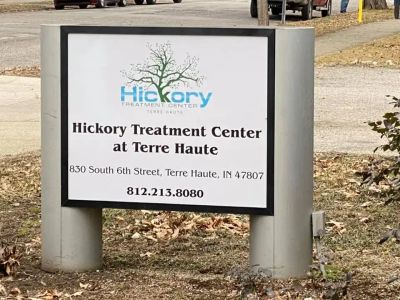
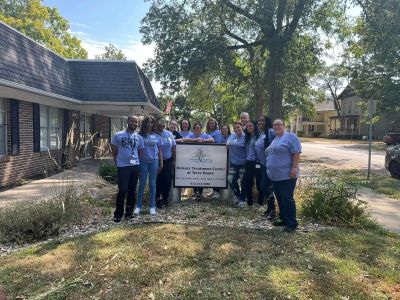
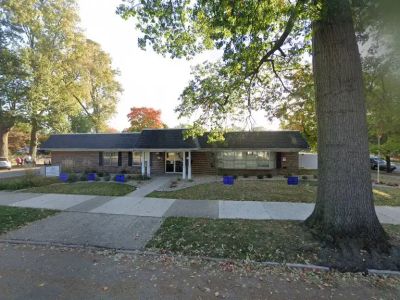
Hickory Treatment Center at Terre Haute
Terre Haute, Indiana
830 S 6th St, Terre Haute, IN 47807
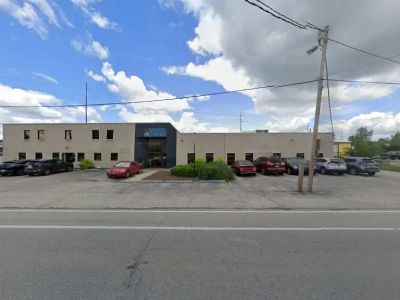
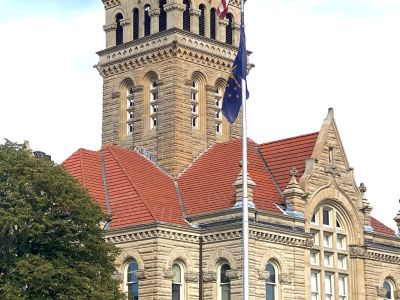

Hickory Treatment Centers
Indianapolis, Indiana
3960 Southeastern Ave Suite 200, Indianapolis, IN 46203
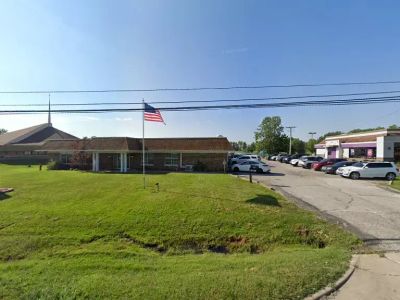
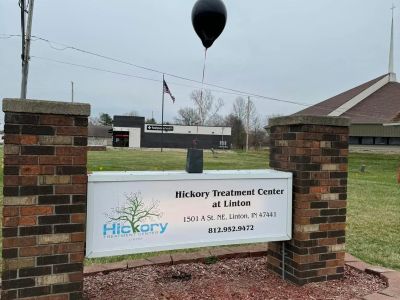
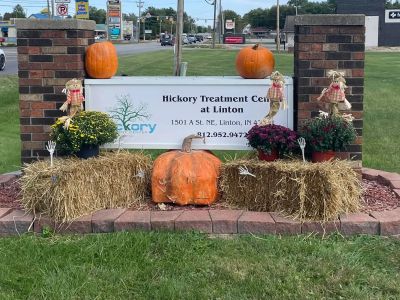
1501 A St NE, Linton, IN 47441
Restored Life Continuum of Care
Kokomo, Indiana
302 S Reed Rd, Kokomo, IN 46901


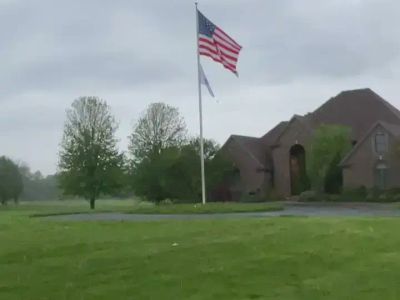
See Purpose Addiction Treatment Center Indiana
Bloomfield, Indiana
3237 IN-157, Bloomfield, IN 47424
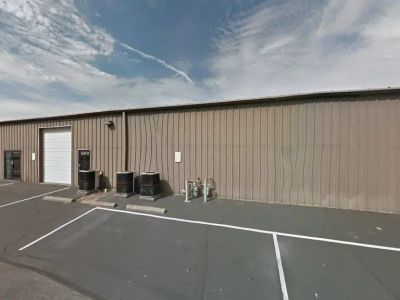
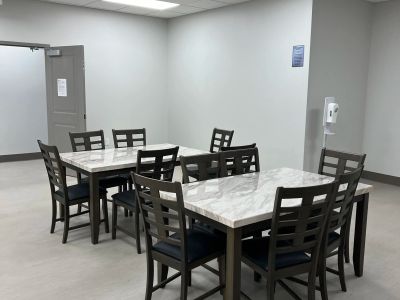
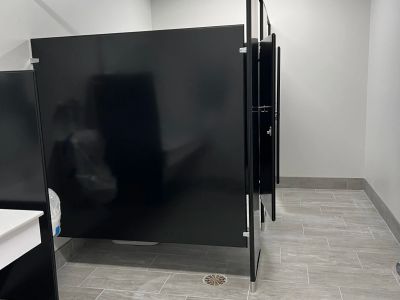
Sunrise Recovery - Drug and Alcohol Men's Rehab in Clarksville
Clarksville, Indiana
628 Eastern Blvd, Clarksville, IN 47129
Sunrise Recovery - Drug and Alcohol Women's Rehab in Clarksville
Clarksville, Indiana
1610 Blackiston View Dr, Clarksville, IN 47129
Why Trust Indiana Rehabs
As Hoosiers helping Hoosiers, we understand the unique challenges our communities face. Our team meticulously verifies every Indiana treatment center, ensuring you find trusted, local care that truly understands your journey.
About our listingsLevels of Care
Explore popular treatment options by levels of care, from flexible treatment in Outpatient centers to intensive care in Residential rehabs.
Walking out of a treatment center, you might feel a delicate mix of hope springing up and uncertainty settling in, like stepping onto a bridge where the world suddenly feels too big, and your newfound stability wobbles with each step. The reality is, between 40% and 60% of people in recovery face relapse at some point, and it isn’t because they’ve failed, but often because they’re missing the ongoing support that makes a real difference. Aftercare isn’t just an afterthought; it’s the vital next step that arms you with community and structure, helping steady your path toward lasting change.

What Is Aftercare?
Aftercare is the next chapter in your recovery story, it’s the structured, ongoing support you lean on after finishing a primary treatment program like inpatient rehab or an intensive outpatient program (IOP). Think of it as a bridge from the highly structured environment of treatment back to the complexities of daily life. Its main purpose is to help you build a strong foundation for long-term sobriety, navigate challenges, and prevent relapse.
It’s easy to think of treatment as a single event with a clear finish line, but recovery is a journey. Aftercare support programs provide a continuum of care that adapts with you as you grow. Between 40% and 60% of people recovering from drug and alcohol addiction experience a relapse at some point. This isn’t a sign of failure; it’s a reflection of how challenging addiction is to overcome. Aftercare is the key strategy to manage this risk, giving you the tools, community, and accountability to sustain your hard-won progress. It’s about building a fulfilling life in recovery, not just getting by.

Types of Addiction Aftercare
Just as every person’s experience with addiction is unique, aftercare isn’t a one-size-fits-all solution. The most effective plans often weave together several types of support to create a safety net that addresses your specific needs. Finding the right combination is about understanding what helps you feel grounded, connected, and confident in your sobriety. Below are some of the most common types of aftercare programs, from structured treatment options to peer-led support networks.
Outpatient Aftercare Treatment
For many, stepping down from a more intensive level of care to an outpatient program is a crucial part of the transition. Standard outpatient treatment (OP) and intensive outpatient programs (IOP) provide continued clinical support while you reintegrate into your work, school, and family life. These programs typically involve a few hours of therapy or counseling per week and can include services like individual therapy sessions, group counseling with peers, and medication management to support your recovery from substance use.
Sober Living Homes
Sober living homes, also known as recovery residences, offer a structured, substance-free living environment for people in early recovery. These homes provide a powerful blend of independence and accountability. You live with peers who share the same goals, which fosters a strong sense of community and peer support. House rules, curfews, and regular drug testing help maintain a safe and focused environment, giving you a stable place to practice the recovery skills you learned in treatment. The level of structure can vary, allowing you to find a home that matches your needs.
Alumni Programs
Many treatment centers offer alumni programs to help graduates stay connected to a supportive and familiar community. These networks are an invaluable resource for maintaining long-term recovery. They often host sober social events like picnics, game nights, and holiday gatherings, which help you build new friendships and have fun without substances. Alumni programs may also offer continued peer support through private online forums, regular check-in calls, and volunteer opportunities, ensuring you never feel alone after leaving treatment.
Recovery Meetings
Recovery meetings are free, peer-led support groups that offer a space for connection and shared experience. They are a cornerstone of many aftercare plans because of their accessibility and welcoming atmosphere. The most common types include:
- 12-Step Fellowships: Groups like Alcoholics Anonymous (AA) and Narcotics Anonymous (NA) use a structured, 12-step framework to guide members toward spiritual and personal growth in sobriety.
- SMART Recovery: This program uses evidence-based cognitive-behavioral techniques to help individuals manage their thoughts, feelings, and behaviors related to addiction.
- LifeRing Secular Recovery: A secular alternative that focuses on personal empowerment and creating a sober life that works for the individual.
- Refuge Recovery: A Buddhist-inspired approach that uses mindfulness and meditation as tools for healing from addiction.

How Do You Create an Aftercare Plan?
Creating a thoughtful aftercare plan is one of the most empowering steps you can take for your long-term recovery. The best time to start is before you leave your primary treatment program, working closely with your counselor or case manager. They can help you identify your personal strengths, challenges, and support needs to build a plan that feels right for you. A strong aftercare plan is a living document, a roadmap that you can adjust as you grow in sobriety.
While every plan is unique, most include a few core components: scheduled therapy sessions to continue your clinical work, a commitment to regular meeting attendance for peer support, and a list of sober friends and family members you can call anytime. It should also include a detailed relapse prevention strategy to help you manage triggers and cravings, as well as a focus on incorporating healthy hobbies and activities that bring you joy and fulfillment.
Should I Get a Sponsor?
If you choose to participate in a 12-Step program like AA or NA, getting a sponsor is a fundamental part of the process. A sponsor is not a therapist but a personal mentor, someone with long-term sobriety who has walked the path before you. Their role is to guide you through the 12 Steps, share their own experience, strength, and hope, and be a trusted source of support. When cravings hit or you’re facing a tough day, your sponsor is someone you can call who understands exactly what you’re going through and can offer guidance without judgment.
How Can Family and Friends Support a Loved One's Recovery?
Family and friends play a vital role in recovery, but it can be hard to know how to help. Supporting a loved one means learning to balance compassion with healthy boundaries. If you want to support someone’s recovery journey, here are a few actionable steps:
- Encourage open and honest communication: Create a safe space where your loved one feels comfortable talking about their struggles without fear of judgment.
- Set healthy boundaries: It’s important to protect your own well-being. This means saying no to behaviors that enable substance use and establishing clear expectations.
- Participate in family therapy: Professional counseling can help heal relationships, improve communication, and teach everyone healthy coping mechanisms.
- Educate yourselves about addiction: Understanding that addiction is a disease can help you approach your loved one with more empathy and less frustration.
- Celebrate recovery milestones: Acknowledge their hard work and progress, whether it’s 30 days of sobriety or a year. Positive reinforcement matters.
- Attend support groups: Groups like Al-Anon and Nar-Anon are designed for the families and friends of those with addiction, providing a community that understands your unique challenges.
Addiction Relapse Prevention
relapse prevention is not about living in fear of slipping up; it’s about proactively building the skills to navigate life’s challenges without turning to substances. It’s a core component of any effective aftercare plan. The first step is identifying your personal triggers, the people, places, feelings, or situations that create a desire to use. Once you know your triggers, you can develop healthy coping skills to manage them. This could mean practicing meditation, going for a run, journaling, or calling a support person. Having a specific plan for what to do when cravings occur makes it much easier to move through them successfully.
Finding Addiction Aftercare That Works For You
Embarking on the next phase of your recovery is a journey of self-discovery, and finding the right aftercare support is a huge part of that. As we’ve seen, aftercare is a critical, personal stage of recovery, and there are many different paths to building a strong and sober life. From outpatient therapy and sober living homes to alumni groups and recovery meetings, the goal is to create a recovery plan that feels authentic and sustainable for you.
Don’t be afraid to try different things and combine various types of support. What works for someone else might not be the right fit for you, and that’s okay. The most important thing is that you have a continuing care plan in place. With the right aftercare support programs, long-term recovery is not just possible, it’s achievable. If you’re ready to find support in Indiana, you can start by exploring and comparing local programs to find one that aligns with your goals.
Building a life in recovery is a brave and hopeful step, and you don’t have to do it alone. The right support system can make all the difference in turning your hard work into lasting change. If you have questions or need help finding an aftercare program in Indiana, our team at Indiana Rehabs is here for you. You can call us at (888) 568-9930 or reach out to us online to find the support you deserve.