Rehabs for DUI / DWI & Diversion Programs

Showing 5 of 5 Results (filtered)
Featured Rehab Centers
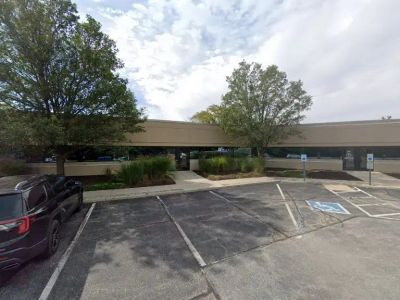
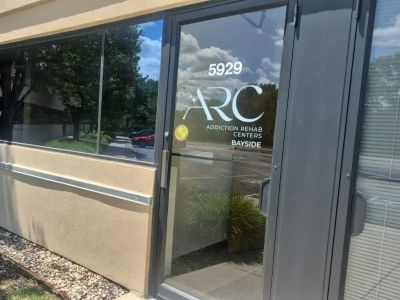

Addiction Rehab Centers - ARC At Bayside | Indianapolis Drug & Alcohol Rehab
Indianapolis, Indiana
5929 Lakeside Blvd, Indianapolis, IN 46278
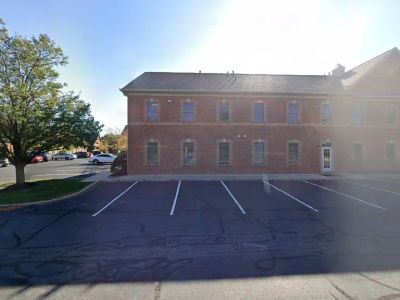


JRNY Counseling LP
Carmel, Indiana
708 Adams St suite 209, Carmel, IN 46032

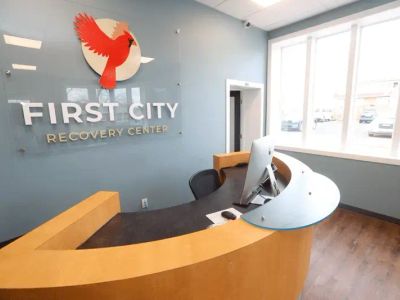

First City Recovery Center
Kokomo, Indiana
317 W Jefferson St, Kokomo, IN, 46901
Get Personalized Rehab Matches in 60 Seconds
Tell us a few details and we’ll show a personalized shortlist of verified Indiana rehabs, making it simple to compare options and choose your next step with confidence.



Parkdale Center
Chesterton, Indiana
350 Indian Boundary Rd., Chesterton, IN, 46304
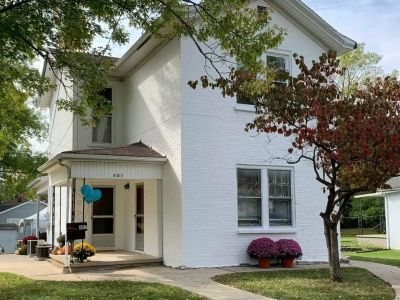
Centerstone Recovery Center
Richmond, Indiana
1811 S 9th St, Richmond, IN 47374
Why Trust Indiana Rehabs
As Hoosiers helping Hoosiers, we understand the unique challenges our communities face. Our team meticulously verifies every Indiana treatment center, ensuring you find trusted, local care that truly understands your journey.
About our listingsLevels of Care
Explore popular treatment options by levels of care, from flexible treatment in Outpatient centers to intensive care in Residential rehabs.
After a DUI or DWI charge in Indiana, it’s easy to feel like the ground has shifted beneath your feet, uncertainty, worry, maybe even a little shame settling in all at once. But this moment, as unsettling as it is, doesn’t have to define you. There are clear steps you can take, from assessments to classes to treatment, that turn something overwhelming into something you can actually manage. With the right guidance, you can meet your legal obligations and start building a steadier path forward.
Driving Under the Influence (DUI) / Driving While Impaired (DWI)
When you're facing a DUI or DWI offense in Indiana, the terms can feel confusing, but they all point to the same thing: getting behind the wheel while impaired. In response, the court or the Indiana Bureau of Motor Vehicles (BMV) will often require you to complete a state-approved program. Think of it as a required roadmap to show you're taking the situation seriously and to help you get your driving privileges back.
These court-ordered requirements aren't one-size-fits-all. Depending on your situation, you might be asked to complete one or more of the following:
- A substance use assessment to understand your specific needs.
- An alcohol and drug education program to learn about the risks of impaired driving.
- A formal treatment program if the assessment shows a need for more support.
Some people, especially first-time offenders, may be eligible for a DUI/DWI diversion program, which offers a different path that can sometimes lead to the offense being dismissed after you complete the requirements[1]. Fulfilling these obligations is more than just checking a box; it’s a critical step toward moving past this offense and safely getting back on the road[2].
Alcohol, DWI and Drug Education Course Providers
Navigating the requirements after a DWI charge can feel like a maze, but it usually follows a clear, step-by-step process. It's important to know that you don't typically get to choose your program. Instead, the right path for you is determined by a mandatory substance use assessment, which is designed to match you with the right level of support[3]. This ensures you get the specific help you need, nothing more, nothing less. The journey almost always unfolds in three potential steps: assessment, education, and sometimes, treatment.
Step 1: The Substance Use Assessment
Everything starts here. A substance use assessment is the mandatory first step and serves as the foundation for your entire program. It’s not a test you can pass or fail; it’s simply a professional evaluation to get a clear picture of your relationship with alcohol or other substances. The goal is to identify any risk factors and determine what kind of support, if any, would be most helpful. During the assessment, you’ll have a confidential conversation with a licensed counselor and may answer some standardized questionnaires. Based on the results, the counselor will make a formal recommendation for the next step, which will be either an education course or a more structured treatment program[4].
Step 2: Alcohol Drug Education Traffic School (ADETS)
If your assessment shows you're at a low risk for substance use challenges, you'll likely be referred to an alcohol and drug education program, sometimes called ADETS. These are structured classes, not therapy. The curriculum focuses on giving you the facts about impaired driving, Indiana traffic laws, and the real-world risks of driving under the influence. These programs are typically recommended for first-time offenders and are designed to be preventive. Program lengths can vary, but once you finish, you’ll receive an official certificate of completion. This certificate is the proof you need to provide to the court or BMV to show you’ve met your requirement.
Step 3: Treatment Considerations
If the assessment identifies a potential substance use disorder, the recommendation will be for treatment instead of just education. This isn't a punishment; it’s an opportunity to address the root causes of the behavior that led to the DUI. Unlike an education class, treatment involves therapy and counseling to help you develop healthier coping strategies. The level of care will be matched to your needs. Common options include:
- Outpatient Programs (OP): This is the most flexible option, involving weekly counseling sessions that fit around your work or school schedule. You can learn more about how outpatient programs work and if they are a good fit for you.
- Intensive Outpatient Programs (IOP): For those needing a bit more structure, IOPs offer more frequent therapy sessions each week while still allowing you to live at home.
Finding a DWI Services Provider
Once you know what's required, the next step is finding the right place to get it done. It's crucial to choose a provider that is certified by the state of Indiana or officially accepted by the court handling your case, otherwise, your hard work might not count toward your legal requirements[3]. Fees can vary between providers, so it’s wise to ask about the total cost upfront. Before you enroll, make sure to ask a few key questions:
- Are you state-certified and accepted by my specific court?
- What is the total cost of the program, including any extra fees? (You can find more information in our guide to treatment costs).
- Will you provide me with an official certificate of completion?
- Do you report my completion directly to the court or BMV?
Your Path Forward After a DUI
Meeting these requirements might seem like a long road, but it's a clear and manageable process. It all starts with the assessment, which points you to the right program for your unique situation. By taking this step, you’re not just fulfilling a legal requirement; you’re taking control and actively working to put this incident behind you. Remember, completing the program is the key to restoring your driver's license and moving forward with confidence[5].
This is a chance to move forward, and you don’t have to do it alone. The right support can make all the difference in navigating your requirements and getting back on track. If you’re ready to take the next step or have questions about finding a court-approved program in Indiana, our team is here to help. You can speak with a caring specialist by calling (888) 568-9930. At Indiana Rehabs, we connect you with the resources you need. You can also contact us online to find the help you need today.
Frequently Asked Questions About Court-Approved DUI/DWI Programs in Indiana
What happens if I don't complete a court-ordered DUI program?
How much do DUI programs cost in Indiana?
Are there online DUI classes available in Indiana?
Will an Indiana DUI program get my license back?
- Indiana Prosecuting Attorneys Council. (2019-02-22). Diversion and deferral guidelines. Indiana Prosecuting Attorneys Council. in.gov
- Indiana Criminal Justice Institute. (2024-07-10). Traffic Safety: Impaired Driving. Indiana Criminal Justice Institute. in.gov
- Indiana Criminal Justice Institute. (2023). Fiscal Year 2023 Annual Report. Indiana Criminal Justice Institute. in.gov
- IU Richard M. Fairbanks School of Public Health. (2021). Community views on prosecutor-led diversion programs in Monroe County, Indiana. Indiana University. scholarworks.indianapolis.iu.edu
- National Highway Traffic Safety Administration. (2022-05-01). Drunk Driving | Statistics and Resources. National Highway Traffic Safety Administration. nhtsa.gov