Dual Diagnosis Rehab Programs

Showing 20 of 48 Results (filtered)
Featured Rehab Centers
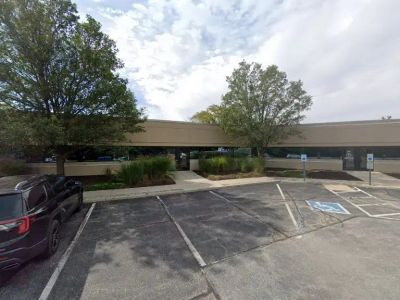
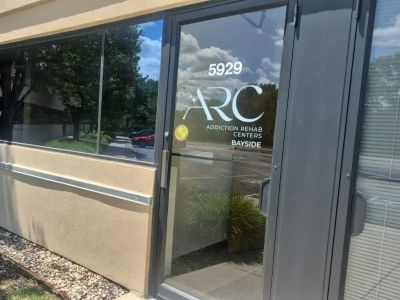

Addiction Rehab Centers - ARC At Bayside | Indianapolis Drug & Alcohol Rehab
Indianapolis, Indiana
5929 Lakeside Blvd, Indianapolis, IN 46278


Addiction Rehab Centers - ARC at Fox Hill | Drug & Alcohol Rehab - Mooresville Indiana
Mooresville, Indiana
12168 N Mann Rd, Mooresville, IN 46158
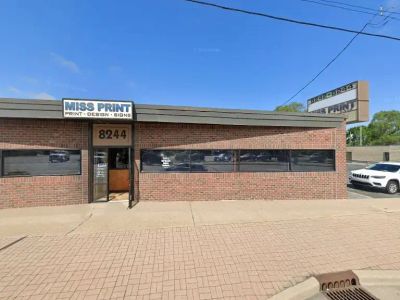

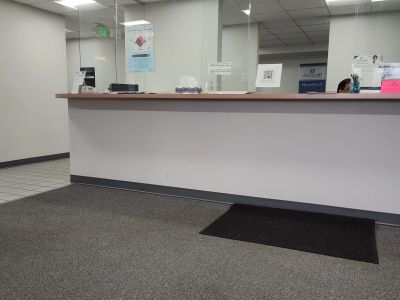
Alliance MD
Munster, Indiana
8242 Calumet Ave, Munster, IN 46321
Get Personalized Rehab Matches in 60 Seconds
Tell us a few details and we’ll show a personalized shortlist of verified Indiana rehabs, making it simple to compare options and choose your next step with confidence.

Centerstone - New Castle
New Castle, Indiana
3221 S Memorial Dr, New Castle, IN 47362
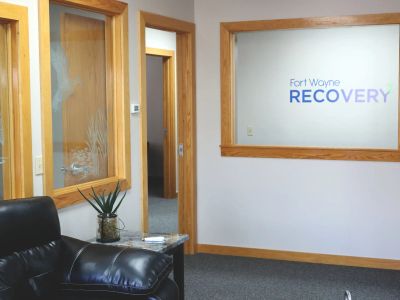
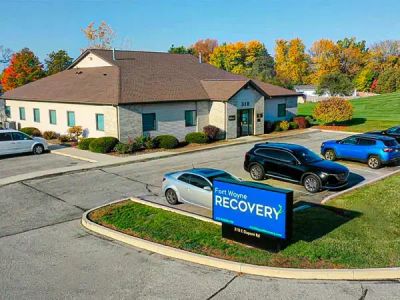

Fort Wayne Recovery
Fort Wayne, Indiana
310 E Dupont Rd, Fort Wayne, IN 46825

Hamilton Center Inc: Mathew Maleakal S MD
Terre Haute, Indiana
620 8th Ave, Terre Haute, IN 47804
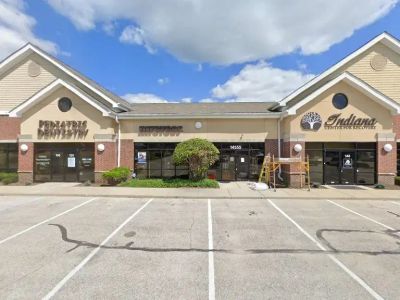

Indiana Center For Recovery - Alcohol & Drug Rehab Center Carmel
Carmel, Indiana
14555 Hazel Dell Pkwy #140, Carmel, IN 46033
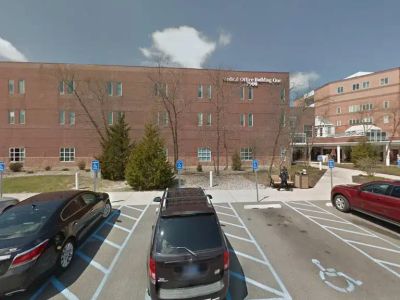
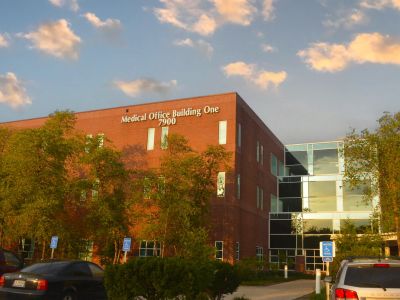
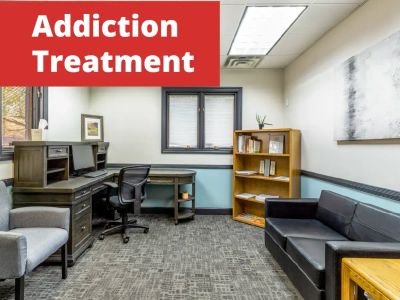
Indiana Center for Recovery - Alcohol & Drug Rehab Center Fort Wayne
Fort Wayne, Indiana
7900 W Jefferson Blvd, Fort Wayne, IN 46804
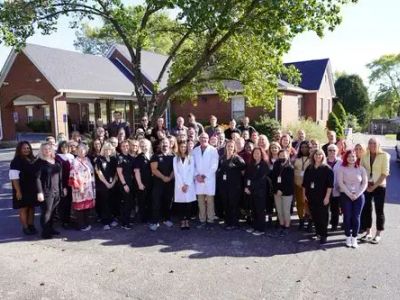

Indiana Center for Recovery - Alcohol & Drug Rehab Center Jeffersonville
Jeffersonville, Indiana
601 N Shore Dr Suite 102-103, Jeffersonville, IN 47130
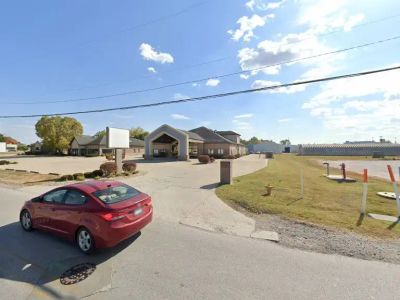
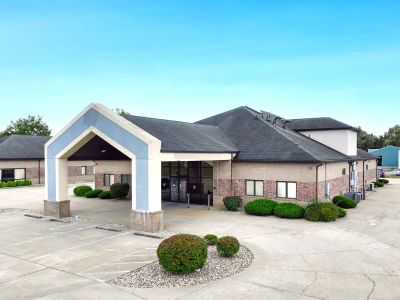
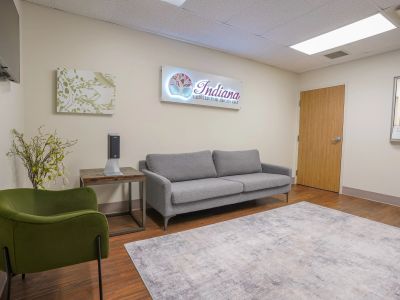
Indiana Center For Recovery- Alcohol & Drug Rehab Terre Haute
Terre Haute, Indiana
135 E Hospital Ln, Terre Haute, IN 47802



Indiana Treatment Centers
Columbus, Indiana
1888 Poshard Dr, Columbus, IN 47203


Spero Health
Richmond, Indiana
18 SW 5th St, Richmond, IN 47374
Spero Health - Connersville
Connersville, Indiana
531 North Central Avenue Suite 6, Connersville, IN 47331



Addiction Rehab Centers - ARC | Drug & Alcohol Rehab - Addiction Treatment in Indianapolis, IN
Indianapolis, Indiana
7322 Noel Rd, Indianapolis, IN 46278



Allendale Treatment
Auburn, Indiana
5419 Co Rd 427, Auburn, IN 46706


Alliance MD
Michigan City, Indiana
10176 W 400 N c, Michigan City, IN 46360


Evolve Indy
Indianapolis, Indiana
8770 Guion Rd, Indianapolis, IN, 46268

1501 A St NE, Linton, IN 47441


LifeSpring Health Systems - Corydon
Corydon, Indiana
535 Country Club Road SE, Corydon, IN 47112



Restored Life Continuum of Care
Kokomo, Indiana
302 S Reed Rd, Kokomo, IN 46901
Why Trust Indiana Rehabs
As Hoosiers helping Hoosiers, we understand the unique challenges our communities face. Our team meticulously verifies every Indiana treatment center, ensuring you find trusted, local care that truly understands your journey.
About our listingsLevels of Care
Explore popular treatment options by levels of care, from flexible treatment in Outpatient centers to intensive care in Residential rehabs.
Does it feel like you’re caught in a cycle where anxiety fuels substance use, and that only seems to make your anxiety spiral even further? If this exhausting loop sounds familiar, you’re not alone, this experience has a name: dual diagnosis. It’s nothing to be ashamed of, and understanding it is the first step toward healing. With the right support, especially tailored for these intertwined challenges, breaking free is truly possible, and there are caring, specialized programs in Indiana ready to help you start.
What Is Dual Diagnosis?
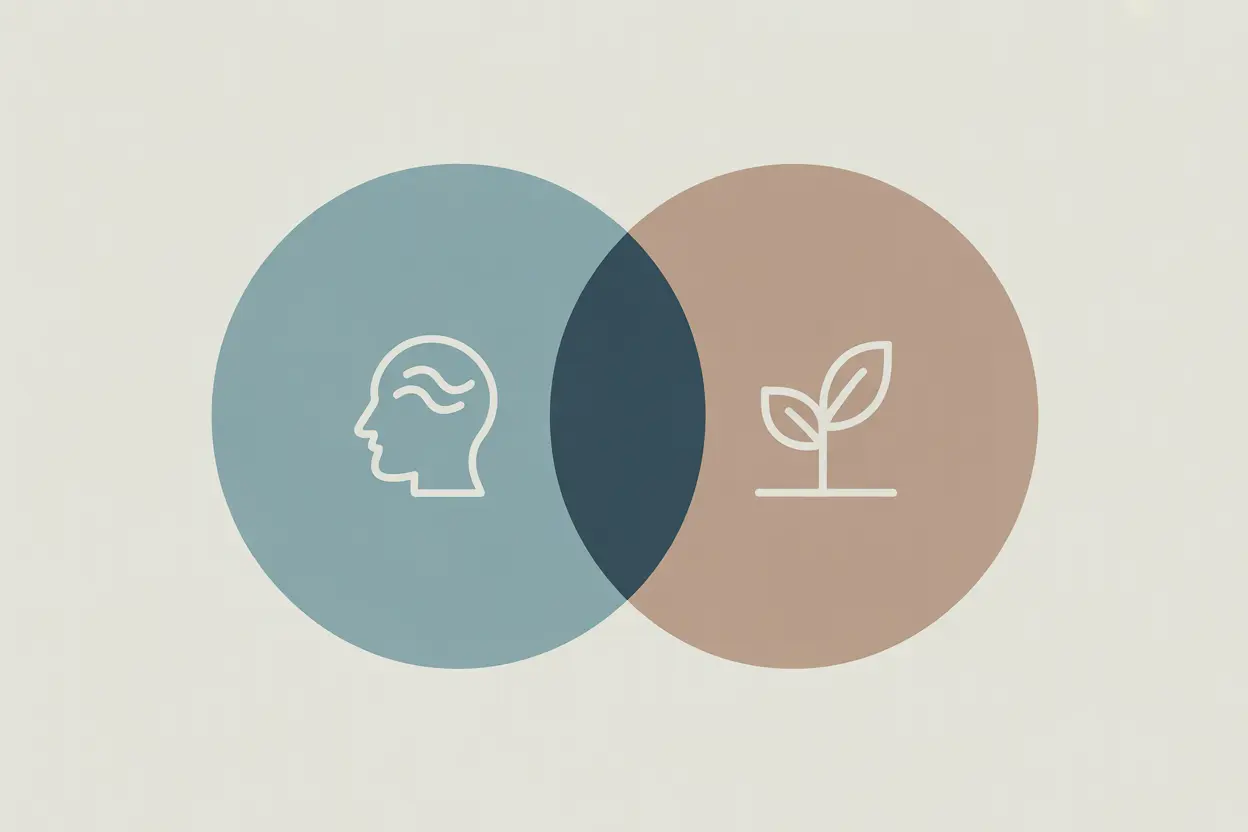
In the simplest terms, dual diagnosis (also known as co-occurring disorders) means you are dealing with two separate but connected health challenges at the same time: a substance use disorder and a mental health condition. You are not alone in this; an estimated 19.4 million American adults were diagnosed with co-occurring disorders in 2021. It’s important to understand that one condition often makes the other worse. For example, someone might use substances to cope with feelings of depression, but the substance use can ultimately deepen that depression, creating a cycle that feels impossible to escape. This isn't a matter of willpower or a personal failing. It's a complex health issue that requires compassionate, integrated care from a team that understands how to treat both addiction and mental health together. With specialized dual diagnosis rehab programs, you can address the root of these interconnected issues and build a foundation for lasting recovery.
Signs You May Need Dual Diagnosis Treatment
Recognizing the need for help can be tricky because the symptoms of a substance use disorder and a mental health disorder often overlap. One can easily mask the other, making it hard to see the full picture. Many people also find themselves in a pattern of "self-medication," where they use drugs or alcohol to temporarily numb the pain or quiet the symptoms of an undiagnosed mental health condition. Because these signs and behaviors are so intertwined, getting a professional assessment is the most important step you can take. Below are some common signs to look out for.
Signs of a Mental Health Disorder
- Extreme and unpredictable mood swings
- Persistent feelings of hopelessness, sadness, or worthlessness
- Withdrawing from friends, family, and activities you once enjoyed
- Unexplained fear, worry, or anxiety that feels out of control
- Difficulty concentrating or making decisions
- Significant changes in your sleeping patterns or appetite
Signs of a Substance Use Disorder
- Needing more of the substance to get the same effect (developing tolerance)
- Experiencing physical or emotional withdrawal symptoms when you try to stop
- Neglecting responsibilities at work, school, or home
- Continuing to use substances despite clear negative consequences in your life
- Trying to quit or cut back on your own but being unable to do so
Most Common Dual Diagnosis Mental Health Disorders
While any mental health disorder can co-occur with a substance use disorder, some are more common than others. Understanding these connections can help you see that what you’re experiencing is a recognized health condition. Some of the most frequently diagnosed disorders include:
- Depression: Characterized by persistent sadness, loss of interest, and feelings of hopelessness that go beyond just a bad day.
- Anxiety Disorders: This includes conditions like generalized anxiety disorder (GAD), panic disorder, and social anxiety, where fear and worry are constant and overwhelming.
- Bipolar Disorder: A condition involving extreme shifts in mood, from manic highs to depressive lows. Many who are struggling with bipolar disorder may use substances to try to manage these intense mood episodes.
- Post-Traumatic Stress Disorder (PTSD): Often developing after a traumatic event, PTSD can lead to flashbacks, severe anxiety, and nightmares. Research shows that individuals with PTSD are 2 to 4 times more likely to also struggle with a substance use disorder.
Types of Treatment in Dual Diagnosis Programs
Effective dual diagnosis treatment hinges on one key principle: an integrated approach. This means you have one dedicated team treating both the substance use disorder and the mental health condition at the same time. This is far more effective than trying to treat them separately, as the symptoms are deeply connected. Your journey to recovery is unique, so care is tailored to your specific needs through different levels of care.
Treatment often begins with medical detox to safely manage withdrawal symptoms. From there, you might move into an inpatient or residential program for 24/7 support. As you progress, you could transition to outpatient options like a partial hospitalization program (PHP) or an intensive outpatient program (IOP), which offer structured therapy while you live at home.
Therapy is the cornerstone of treatment. Evidence-based approaches like cognitive behavioral therapy (CBT) help you identify and change negative thought patterns, while dialectical behavior therapy (DBT) teaches skills for managing difficult emotions and improving relationships. Treatment also includes individual and group therapy, medication management to stabilize symptoms, and detailed aftercare planning to support your long-term recovery.

Paying for Dual Diagnosis Rehab
Worrying about the cost of treatment is completely normal, but don't let it stop you from seeking help. The cost of dual diagnosis rehab varies depending on factors like the level of care needed, the location of the facility, and the amenities offered. The good news is that there are many ways to pay for treatment. Most people use private or employer-sponsored health insurance plans. State and federal options like Medicaid and Medicare are also available for those who qualify. If you don’t have insurance, many facilities offer private pay options or financing plans.
It’s also important to know that federal law requires most health insurance plans to cover mental health and substance use disorder treatment just as they would for a physical health issue like diabetes or heart disease. The best first step is to verify your insurance to see what your plan covers. This can give you a clear picture of your options and help you move forward with confidence.
Finding Dual Diagnosis Treatment Centers Near Me
Choosing the right treatment center is a big decision, but you can find a high-quality program by knowing what to look for. As you explore options for dual diagnosis rehab in Indiana, use this checklist to guide you:
- Licensed and Accredited: Ensure the facility is licensed by the state of Indiana and accredited by a reputable organization like The Joint Commission or CARF.
- Specialized Staff: Look for programs with staff who are specifically trained and experienced in treating co-occurring disorders.
- Evidence-Based Therapies: Ask if they use proven therapies like CBT, DBT, and trauma-informed care.
- Integrated Treatment Plans: Confirm that they will treat both your mental health and substance use disorder at the same time.
- Solid Aftercare Plan: A quality program will help you create a plan for ongoing support after you leave, which is crucial for long-term recovery.
You can use the filters on our site to find accredited Indiana facilities that match your specific needs, from the level of care to the type of insurance accepted. When you call, don't be afraid to ask questions to make sure it feels like the right fit for you or your loved one.
Take the First Step Toward Healing in Indiana
Navigating a dual diagnosis can feel overwhelming, but it’s so important to remember that healing is absolutely possible with the right support. You don't have to untangle these challenges on your own. Reaching out for help is a true act of strength and the first step on a path toward a healthier, more peaceful life. The right integrated care can help you break the cycle and build a foundation for lasting recovery.
If you're ready to find a supportive program here in Indiana, our team is here to help. You can call us for confidential guidance at (888) 568-9930 or use our online tool to verify your insurance coverage today. At Indiana Rehabs, we’re committed to connecting you with the care you deserve. Please don't hesitate to contact us when you're ready.