MAT Focused Rehab Programs

Showing 4 of 4 Results (filtered)
Featured Rehab Centers

Hamilton Center Inc: Mathew Maleakal S MD
Terre Haute, Indiana
620 8th Ave, Terre Haute, IN 47804

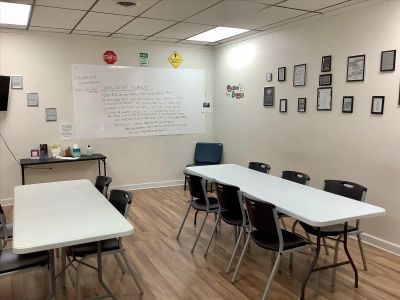
New Beginnings Suboxone Treatment LLC
Portage, Indiana
3190 Lancer St Suite D, Portage, IN 46368



Recovery Centers of America at Indianapolis
Indianapolis, Indiana
8530 Township Line Rd, Indianapolis, IN 46260
Get Personalized Rehab Matches in 60 Seconds
Tell us a few details and we’ll show a personalized shortlist of verified Indiana rehabs, making it simple to compare options and choose your next step with confidence.
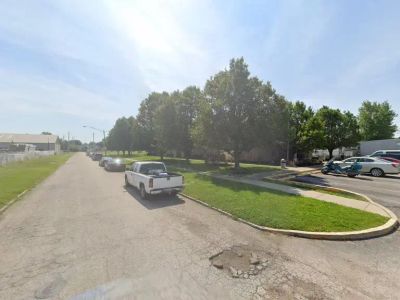
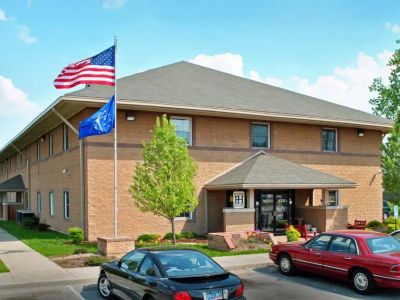

Aspire Indiana Health - Progress House
Indianapolis, Indiana
201 Shelby St., Indianapolis, IN, 46202
Why Trust Indiana Rehabs
As Hoosiers helping Hoosiers, we understand the unique challenges our communities face. Our team meticulously verifies every Indiana treatment center, ensuring you find trusted, local care that truly understands your journey.
About our listingsLevels of Care
Explore popular treatment options by levels of care, from flexible treatment in Outpatient centers to intensive care in Residential rehabs.
If your search for a MAT program left you scrolling through teaching degrees, you’re not alone, and you’re in the right place to finally get some clarity. Here, when we talk about MAT, we mean Medication-Assisted Treatment, a proven approach that combines medications with support to help you take control of your recovery from substance use. Finding the right program in Indiana doesn’t have to feel overwhelming; with the right information, a hopeful next step is within reach.

What is a MAT Focused Program for Addiction Treatment?
A MAT focused program uses Medication-Assisted Treatment to help people overcome substance use disorder. It's a "whole-patient" approach that combines FDA-approved medications with counseling and behavioral therapies to support your recovery journey[1]. Think of it as treating the whole person, not just the symptoms. The primary goals are to normalize your brain chemistry, block the euphoric effects of alcohol and opioids, relieve cravings, and help your body heal.
This approach is about giving you a stable foundation so you can do the deeper work of recovery. The benefits are significant and backed by research. MAT is a safe and effective treatment for opioid use disorder that can help you stay in treatment longer, reduce the risk of relapse, and improve your overall health and well-being[2]. In Indiana, this approach has contributed to a 19.2% reduction in overdose deaths, showing just how powerful it can be for individuals and communities[3]. Exploring the different levels of care available can help you understand how MAT fits into a complete treatment plan.
How Medication-Assisted Treatment Works
It’s a common misconception that medication-assisted treatment is just trading one drug for another. That couldn’t be further from the truth. In reality, these medications are tools that help manage withdrawal symptoms and cravings, which allows you to focus on developing coping skills through therapy. When you’re not constantly battling physical discomfort, you have the mental space to heal. For MAT to be effective, the medication must be part of a comprehensive program that includes counseling and support from qualified providers.
The medications used in a MAT focused program are specifically designed to treat substance use disorders (SUD), primarily for opioid and alcohol use. They work in different ways to help patients manage their recovery, and the right one for you will depend on your specific needs and health history. These are not just symptom-maskers; they are scientifically proven medications for addiction treatment that give you a real chance to rebuild your life.
Buprenorphine (Suboxone, Sublocade)
buprenorphine is a partial opioid agonist, which means it activates the same receptors in the brain as other opioids, but to a much lesser degree. This helps reduce cravings and withdrawal symptoms without producing the same "high," making it a safe and effective tool for managing opioid SUD[2]. One of the biggest advantages of buprenorphine treatment is its accessibility. Thanks to recent changes, it can be prescribed right from a doctor's office, making it easier for patients to get the care they need without having to visit a specialized clinic every day[4].
Naltrexone (Vivitrol)
naltrexone works differently. It’s an opioid antagonist, meaning it completely blocks the euphoric and sedative effects of opioids. If a person relapses while taking naltrexone, they won’t feel the high, which can reduce the motivation to use again. A popular form of this medication is Vivitrol, an injectable that lasts for a month. naltrexone is not an opioid, is non-addictive, and doesn't cause withdrawal symptoms when you stop taking it, making it a strong option for individuals who have already completed detox.
Methadone
Methadone is a full opioid agonist that has been used for decades to treat opioid use disorder. It works by binding to the same receptors as other opioids, which helps to reduce withdrawal symptoms and cravings. Because of its potency and potential for misuse, methadone is highly regulated and can only be dispensed through a certified opioid treatment program (OTP) or clinic. Patients typically visit the clinic daily to receive their dose, which provides structure and accountability, especially in the early stages of recovery.
Finding a MAT Focused Program in Indiana
Now that you understand what MAT is, the next step is finding the right services for you or your loved one here in Indiana. MAT is offered across various levels of care to meet you where you are. You might find it in outpatient clinics, intensive outpatient programs (IOP), or residential facilities. The best setting depends on your personal needs, support system, and the severity of the substance use disorder.
Paying for treatment is a common concern, but there are many options. Most private insurance plans cover MAT, and Indiana Medicaid also provides coverage for these essential services[5]. You can use our directory to find programs in your community that accept your insurance. For additional resources, the SAMHSA National Treatment Locator and the Indiana Opioid Treatment Program Directory are excellent tools for locating state-certified providers. Below, you can filter providers by location and insurance to simplify your search for quality care.
What to Look for in a Quality MAT Program
When you’re ready to reach out to providers, it helps to know what sets a great program apart. Empowering yourself with the right questions can make all the difference in finding effective care. Here are a few things to look for in a quality MAT program:
- Proper Licensing and Accreditation: The facility should be licensed by the state of Indiana and ideally hold accreditations from bodies like CARF or The Joint Commission, which signal a high standard of care.
- Evidence-Based Therapies: Medication is just one piece of the puzzle. The program should also offer proven therapies like cognitive behavioral therapy (CBT) or dialectical behavior therapy (DBT) to help you build coping skills[1].
- Individualized Treatment Plans: Your recovery journey is unique. A quality program will create a personalized plan that addresses your specific needs, challenges, and goals.
- Support for Co-occurring Disorders: Substance use and mental health conditions often go hand-in-hand. Look for providers that offer integrated care for dual diagnosis to treat both simultaneously[6].
- Comprehensive Aftercare Planning: Recovery doesn’t end when you leave the program. A good facility will help you create a solid aftercare plan to support your long-term health and sobriety.
Your Next Step to Recovery in Indiana
Recovery is within your reach, and a MAT focused program can be a powerful and effective tool to help you get there. You don’t have to do this alone. Confidential, compassionate help is available right here in Indiana. When you’re ready, your next step is simple. You can verify your insurance to see what’s covered or call our 24/7 helpline for immediate support.
Taking that first step is often the hardest part, but it’s a sign of incredible strength. Medication-assisted treatment is a proven, evidence-based path that has helped countless people in Indiana find lasting recovery. Remember, you deserve care that is both compassionate and effective. If you’re ready to explore your options, you can call us at (888) 568-9930 to speak with a caring specialist today. At Indiana Rehabs, we’re here to help you find the right path forward. Please don't hesitate to reach out to us for any questions or support you may need.
Frequently Asked Questions About MAT Programs in Indiana
Is Medication-Assisted Treatment just for opioids?
Will I have to be on medication forever?
How long do MAT programs last?
How do I know if MAT is right for me?
- Substance Abuse and Mental Health Services Administration. (08-25-2025). Medications for substance use disorders. Substance Abuse and Mental Health Services Administration. samhsa.gov
- National Institute on Drug Abuse. (03-20-2025). Medications for opioid use disorder. National Institute on Drug Abuse. nida.nih.gov
- State of Indiana. (November, 2024). Indiana 2024 progress report on addiction and overdose prevention. State of Indiana. in.gov
- Substance Abuse and Mental Health Services Administration. (07-04-2025). Waiver elimination (MAT Act). Substance Abuse and Mental Health Services Administration. samhsa.gov
- Centers for Medicare & Medicaid Services. (06-15-2023). Indiana State Plan Amendment (SPA) 23-0003. Medicaid.gov. medicaid.gov
- Indiana Family and Social Services Administration. (06-16-2021). Substance Use Disorder (SUD)/Serious Mental Illness (SMI) treatment. Indiana Family and Social Services Administration. in.gov